

Table of Contents
A strong blog subject starts long before you write a catchy headline. The best way to generate a blog subject is to understand one reader, identify a real problem, and shape a useful answer around it.
Clear subjects can attract search traffic, build trust, and support an online business. Random topics may bring views, but they rarely lead to email sign-ups, enquiries, or relevant sales. This method works whether you’re starting your first blog or improving an established one.
Key Takeaways for Generating Better Blog Subjects
- A blog subject is the post’s main focus, whilst a headline is the wording that earns the click.
- Start with audience research, because repeated reader problems produce stronger ideas than guesses.
- Check search intent so the post gives readers the type of answer they expect.
- Use keyword research, questions, reviews, and discussions to find the words people already use.
- Choose subjects that support your wider purpose, such as building trust, growing an email list, or recommending a suitable product.
What Is the Best Way to Generate a Blog Subject?
The best way to generate a blog subject is to begin with one defined reader and one need they have. That need might be a problem, question, goal, or frustration. Then combine what you know about that reader with search intent, personal experience, and a clear outcome.
For example, “affiliate marketing” is far too broad. A better subject is “how to choose a realistic affiliate niche for part-time income”. The first is a theme. The second promises help to a particular person.
A subject guides the article itself. Your headline comes later, when you decide the most appealing and accurate way to present that focus.

Start With a Reader Problem You Understand
Choose a reader you can describe clearly. It could be a retiree seeking flexible income, a new blogger with limited time, or a small-business owner who needs more leads.
Next, look for problems that recur. Review blog comments, emails, product reviews, forum threads, social media posts, and conversations with potential customers. Pay close attention to their wording.
A phrase such as “I don’t know what to write about” is more useful than a vague interest in blogging. It points towards subjects on content planning, niche selection, and finding buyer-focused topics.
Match the Subject to Search Intent
The same broad keyword can lead to different articles because readers have different intentions. Some want to learn, some want to compare options, and some are ready to take action.
For example:
- “How to start an email list” suits a beginner who wants guidance.
- “Best email tools for beginners” suits someone comparing options.
- “Mailchimp alternatives for a small business” suits a reader closer to choosing a platform.
Your article must fulfil the expectation behind the search. A comparison page should compare. A tutorial should teach practical steps. Mismatched intent produces quick exits and weak trust.
How to Find Blog Subject Ideas People Are Searching For
Search volume matters, but it isn’t the only test. A lower-volume question can be a better subject when it fits your audience, solves an urgent problem, and allows you to provide a helpful answer.
Start with Google Autocomplete, related searches, and the “People also ask” questions. Then check Google Trends, keyword platforms, AnswerThePublic, Reddit, relevant Facebook groups, and customer reviews. A practical keyword research guide from RyRob can help you turn those clues into a workable list.
Turn One Broad Topic Into Several Focused Subjects
One broad theme can become a useful cluster of posts. Take blogging as an example. You could write about choosing a niche, planning content, writing commercial reviews, building an email list, updating older posts, and tracking conversions.
Focused subjects are easier to explain and easier for readers to find. They also give you natural opportunities to link related posts together. Someone learning how to choose a niche may later need help with keyword research or a content plan.
Use Real Experience to Add Value
First-hand detail makes familiar topics more believable. Share a test, a mistake, a customer conversation, a product limitation, or a result that changed your approach.
Building an online business involves far more than setting up a website. Content, traffic, tracking, email marketing, customer understanding, and platform rules all affect the outcome. Honest experience helps readers avoid costly detours, particularly when they are building part-time around work or retirement plans.
A Simple Process for Turning an Idea Into a Strong Blog Subject
Use this short process before committing to a full post:
- Define one audience and write down their immediate problem.
- Collect the actual words they use in searches, comments, and emails.
- Check the likely search intent and identify the most useful angle.
- Decide the outcome the reader should achieve.
- Test whether the idea supports your blog’s wider purpose.
A helpful formula is: “How [audience] can [achieve result] without [main obstacle].” For example, “How part-time bloggers can plan weekly content without spending every evening online.”
Choose an Angle Readers Can Use
A clear angle gives a subject direction. It might be beginner guidance, a comparison, an honest review, a checklist, a case study, a low-cost approach, or a step-by-step tutorial.
Choose the angle that fits your knowledge. Don’t promise income results, product performance, or speed that you cannot prove. A narrower, useful article is more persuasive than an ambitious post that answers several unrelated questions poorly.
Check That It Supports Your Blog and Business
Each subject should connect to your core audience and a sensible next step. An article may attract awareness, encourage email subscriptions, demonstrate expertise, or support a relevant affiliate recommendation.
Commercial content works best when it helps readers make a decision. Reviews, alternatives, comparisons, and buying guides can do that well. However, a high commission never fixes a poor match. Trust in your recommendations is worth more than one affiliate click.
Tools and Techniques for Generating Blog Subjects Faster
Tools can speed up research, but they cannot replace judgement. Use Google Search, Google Trends, keyword tools, a content calendar, website analytics, email replies, and social media polls to spot patterns.
AI tools can expand a well-defined idea, group related questions, suggest angles, and reveal gaps in a draft plan. Still, check every suggestion for accuracy, originality, and reader value. Google’s guidance on helpful, reliable, people-first content is a useful standard for every post.
Use Existing Content and Analytics
Review posts that bring qualified search traffic, comments, email sign-ups, affiliate clicks, or enquiries. Traffic alone isn’t enough.
If a tutorial gains subscribers, write a related follow-up. If a comparison earns clicks but no sales, review the audience fit, offer, and clarity. You can also update an old post, answer a related question, or turn a strong section into its own article.
Blog Subject Mistakes That Lead to Weak Content
Weak subjects are often too broad, copied from competitors, or chosen only because a keyword has high search volume. Others chase trends that don’t fit their audience, confuse the headline with the subject, or allow AI to produce generic ideas without personal insight.
Before publishing, check these points:
- The post addresses one audience and one main need.
- Its format matches search intent.
- It offers a useful, original answer with honest evidence.
- The next step suits the reader and your blog’s purpose.
A modest audience with a clear problem is often more valuable than broad traffic with no reason to trust or act.
Choose One Useful Subject and Develop It
The strongest blog subjects sit where reader needs, search intent, your experience, and your business purpose meet. Start with one audience and one problem, then use real reader language to shape a focused angle.
Write down three recurring questions from your target audience. Turn each question into a clear subject, then choose the one that offers the most useful and realistic outcome.
How to Find Good Content for your Blog
That’s the topice of generating a good subject covered, but I know many bloggers struggle to find enough content for their blog.
Some people hire copy-writers – I can’t afford them!
Some people ask ChatGPT to create posts – but I’m wary of its hallucinations.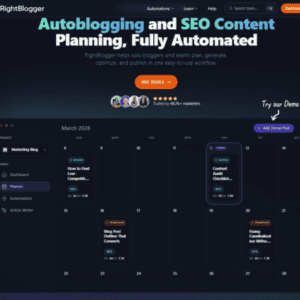
Here are the methods I use:
1) If I come up with a Facebook post that gets a lot of engagement, and different people’s perspectives, I use it as a blog post.
2) For my blog outside of the Make Money Online niche – for instance my SleeplessZone.com blog – I use this tool (you can take a trial). This is the best approach for a general topic outside of the Internet Marketing niche.
3) In my Internet Marketing business, for years I have used this non-AI PLR service. Although I name the (affiliate) link MakeNewsLetter I can use the content for blog posts, emails, Facebook posts, and many other ideas.