Table of Contents
A ClickBank pay-per-sale income stream can earn while you sleep, but it never starts by accident. The appeal is clear: you promote a product someone else created, and you get paid only when a sale happens.
Many beginners assume a website alone will do the job. It won’t. Real semi-passive income comes from a simple system, the right offer, steady traffic, follow-up emails, and a few tools that work together.
Key Takeaways
- ClickBank pay-per-sale means you earn a commission only after someone buys through your affiliate link.
- The best offers solve a real problem for a clear group of buyers.
- A basic funnel, page plus email list, makes sales more likely after the first visit.
- Organic traffic from search and content can keep sending visitors long after you publish.
- Passive income starts with active setup, then grows through testing and steady improvement.
What ClickBank Pay-Per-Sale Means and Why It Can Work for Beginners
ClickBank is an affiliate marketplace where product owners and affiliates meet. For beginners, that matters because you can start without creating a course, software tool, or membership from scratch.
How affiliate commissions are earned on ClickBank
The process is simple. A vendor lists a product, you choose one to promote, and ClickBank gives you a unique affiliate link. When a buyer clicks your link and completes a purchase, you earn the set commission.
Many offers on ClickBank are digital products, such as training, software, or subscriptions. That often means better commission rates than physical products because there are no shipping or inventory costs. If you want a plain-English overview, this guide to ClickBank explains the model and points out an important detail: refunded sales don’t count toward commissions.

Why pay-per-sale is different from other income models
This model is easier to start than building your own product. You don’t handle checkout, product delivery, or support. Compared with ad revenue, you also need fewer visitors to make meaningful income.
Still, low startup cost doesn’t mean easy money. Paid ads need upfront cash. Ad revenue needs large traffic. Selling your own product needs product work. Pay-per-sale sits in the middle. It’s simple to enter, but you still need planning, trust, and testing before it feels passive.
Choose the Right Niche and Offers Before You Build Anything
A weak niche makes every next step harder. On the other hand, a good niche makes content ideas clearer, traffic easier to target, and sales more likely.
Look for a niche people already spend money in
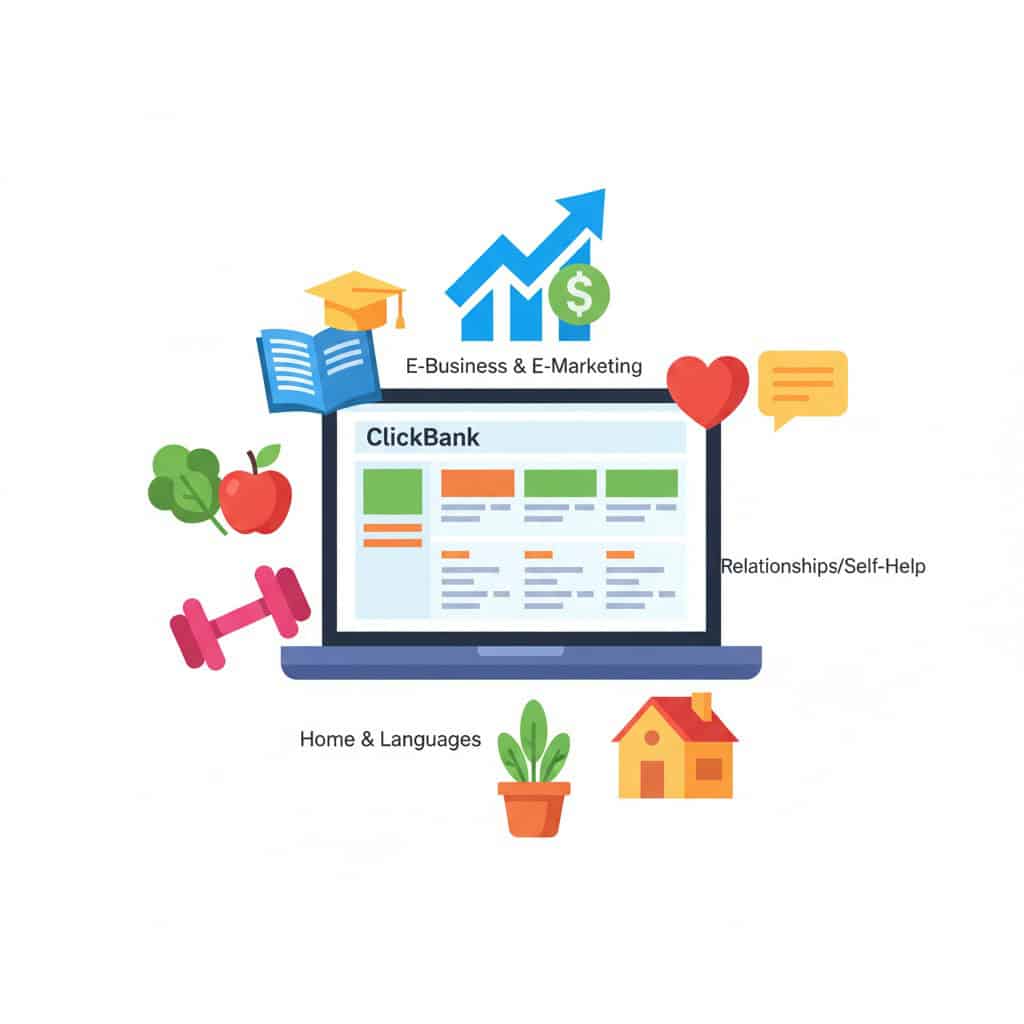
Start with topics tied to strong problems or strong interests. Health, personal finance, hobbies, learning, and software often work because people already pay for help in those areas.
Go narrower than you first expect. “Budgeting for retirees” is easier to market than “money.”
“Beginner guitar lessons for adults” is easier than “music.” A tighter niche gives you clearer reader intent and better product fit.
Check offer quality before promoting it
Read the sales page like a buyer. Does the product explain what it includes? Does the promise sound believable? Is the page clean, readable, and honest about results? Also look for refund terms and signs that the vendor updates the product.
High commissions can distract beginners. They shouldn’t lead the decision.
A big payout can’t rescue a poor offer.
Match the offer to the audience you want to serve
Traffic alone doesn’t pay. Buyer intent pays. Someone searching for “best budgeting course for seniors” is far closer to buying than someone reading a broad article about saving money.
That match should guide your content. If your audience wants help with email marketing, don’t send them to a vague business product. Send them to a tool or training that solves the next problem they already feel.
Build a Simple Funnel That Can Keep Working After the First Visit
A website is only one part of the process. Many people learn this the hard way, especially if they thought putting up a site and waiting would bring sales. It takes more than that, and most online businesses rely on several tools and platforms working together.
Use a landing page or blog post to guide the next step
Each page should have one clear job. A review page can explain who the product is for and send the reader to the offer. A blog post can answer a buyer question and invite the reader to learn more. A landing page can offer a free guide in exchange for an email address.
Keep the path simple. One topic, one reader problem, one main call to action.
Add an email list so you are not relying on one visit
Most visitors won’t buy the first time. Email gives you another chance to build trust. You can send a short welcome sequence, share useful tips, explain when the product fits, and remind readers why they signed up.
A lead magnet doesn’t need to be fancy. A checklist, short guide, or resource list is enough if it solves a small problem fast.
Connect your tools so the process runs smoothly
At minimum, you’ll likely use a site or landing page builder, an email platform, link tracking, and basic analytics. That’s normal. Online business rarely runs on one tool alone.
You can promote affiliate links without a full website, and this discussion on promoting without a website shows the common options. Even so, a simple site plus email list gives you more control, more content assets, and more ways to earn later.
If you want to take training from a ClickBank expert, this site is a the best place to start. You can open a free ClickBank Profit Club account here and start to follow his process.

Get Traffic From Sources That Can Keep Sending Visitors
Traffic is the engine behind any ClickBank income stream. The best sources keep working after the day you publish, which is why content-based traffic often fits beginners well.
Write helpful content that answers buyer questions
Start with questions people already type into search. Reviews, comparisons, tutorials, and problem-solving posts work well because they attract readers who want a solution, not casual browsers.
Write clearly and stay honest. A useful review should explain who the product helps, where it falls short, and what result a buyer can expect. That kind of content builds trust faster than hype.
A blog can be good place to start – and blog setup is fully covered in the bloggin workshop in the ClickBank Profit Club above.
Use social media to support your content and offers
Social media works best as support, not as your whole business. Post short tips, personal lessons, simple examples, or clips that point people back to your article, landing page, or email signup.
Consistency matters more than volume. One solid post each week, shared in a few formats, beats random bursts followed by silence.
Another good place to find traffic is using the Traffic Wave software on Pinterest. Versions 1 and 2 were great – Version 3 has just been realeased (May 29th 2026) to incorpate AI images and videos. You can learn more about TrafficWave version 3 here.
Track what works so you can improve over time
Watch a few numbers first: clicks, opt-ins, and sales. If readers click but don’t buy, the offer or pre-sell content may be weak. If readers never click, your headline or call to action probably needs work.
Keep Improving Your Results Instead of Waiting for Passive Income to Happen on Its Own
Passive income begins with active work. After that, it grows when you improve pieces that already get attention.
Test headlines, calls to action, and offers
Small changes can lift results. Try a stronger headline, a more direct call to action, or a better-matched offer. Change one item at a time so you know what made the difference.
If a page already gets traffic, even a modest lift in click-through rate can turn into more sales each month.
Watch common mistakes that slow down new affiliates
New affiliates often pick offers by commission size alone. Others publish content with no niche focus, no email list, and no clear next step. Some stop too soon because the first few posts don’t convert.
A better approach is simple. Choose one niche, one offer angle, and one traffic method. Then improve that system before adding more moving parts.
FAQs About Building Passive Income With ClickBank Pay-Per-Sale
How long does it take to earn money?
Some people get a first sale within weeks. Others take a few months. Traffic quality, offer fit, and consistency make the biggest difference.
Do I need a website?
No, but it helps. You can start with a landing page or social media, yet a website gives you content that can rank and keep bringing in visitors.
How much money do I need to start?
You can begin with low costs if you focus on organic traffic. Common starter costs include a domain, hosting, and an email tool.
What makes this model worth trying?
You can promote existing products, skip product creation, and avoid customer support. That makes it a practical option for part-time online income.
Conclusion
A ClickBank income stream grows from a system, not luck. Pick a real niche, promote strong offers, build a simple funnel, bring in steady traffic, and keep improving what already works.
Start small enough to stay consistent. Over time, those pages, emails, and links can turn into passive income that keeps working long after the first setup.
For professional training from a ClickBank expert, open your free ClickBank Profit Club account here.