
Table of Contents
A lot of beginners in Clickbank affiliate marketing think online business is simple: build a site, add a link, and wait for money.
That’s an easy belief to hold, especially if you’re comfortable with tech – like I was when I first started online marketing as a computer programmer.
My experience taught me a tougher lesson: a website alone doesn’t create sales. People still need – first to find you – then a reason to trust you, and a clear path to buy.
That’s where blogging earns its keep. A good blog doesn’t just “exist” online. It answers questions, shows proof, and guides readers toward the next step. Over time, it brings steady traffic and repeat visitors, even if you only work on it part-time.
Most ClickBank affiliate marketers also end up using multiple tools and platforms (email, social, link trackers, landing pages). A blog becomes the home base that ties those moving parts together, so you’re not building on rented ground.
Key Takeaways for ClickBank affiliates who blog
- Blogs can rank for buyer keywords like “review”, “best”, “vs”, and “does it work”.
- You can pre-sell before sending someone to a ClickBank hoplink.
- Blogging helps you build an email list for follow-up and repeat visits.
- Helpful reviews and tutorials add trust, which lifts clicks and conversions.
- A blog reduces reliance on social media algorithms and trend cycles.
- One strong post can become many social posts, emails, and short tips.
- You can track what converts, then write more content like it.
- Clear affiliate disclosures help you stay compliant and build credibility.
How a blog turns strangers into ClickBank buyers
Think of a blog like a helpful shop assistant, not a billboard. Instead of shouting “buy now”, it listens first. It answers the question the reader already has, then points to a solution that fits.
Most ClickBank sales follow a simple path:
Search or social leads a person to your post. Your post solves part of the problem. Trust builds because the advice is clear and useful. Then the reader clicks your affiliate link with less doubt. Finally, they buy because the offer matches what they need.
This matters with ClickBank because many products require a little education. Weight loss programs, self-help courses, and health supplements often come with skepticism. People want to know what’s inside, who it’s for, and what results are realistic. A blog gives you room to explain that in plain language.
Another benefit is timing. Someone who sees an ad might not be ready. Someone who searches “how to stop back pain at night” is already motivated. A blog helps you meet them at that moment, when they’re looking for help and open to a paid solution.
The goal isn’t to “get traffic” in general. The goal is to attract the right person, answer their real question, and make the next step feel safe.
Blog posts pre-sell products so your affiliate link converts better
“Pre-sell” sounds fancy, but it’s simple. You help the reader decide before they hit the sales page. That way, the ClickBank page becomes a confirmation, not a cold surprise.
Strong pre-sell content often looks like:
- Beginner guides that explain the problem and common mistakes (then introduce the product as a next step).
- Problem-solving posts that offer steps a reader can try today (plus a deeper paid plan for those who want structure).
- Comparisons that clarify differences between two approaches or products.
- Use-case tutorials that show how a method fits real life (for example, “a 10-minute morning routine” or “a simple meal prep plan”).
Keep your tone grounded. Match the offer’s promise, but don’t copy hype from the sales page. Focus on outcomes, fit, and realistic expectations. If a product claims extreme results, treat that as a warning sign, not a marketing angle.
Trust signals you can add to posts that make readers click
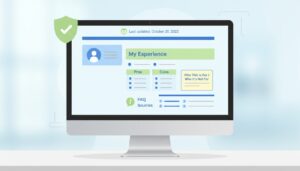
Readers don’t trust a link, they trust the person behind it. Fortunately, trust doesn’t require being famous. It requires clarity and honesty.
Here are practical trust builders you can add to most ClickBank affiliate blog posts:
- A clear author bio that explains why you care about the topic.
- Your real experience, even if it’s limited (what you tried, what you noticed, what you’d do differently).
- Pros and cons, not just benefits.
- A short section on who it’s for and who it’s not for.
- FAQs that answer objections (price, time, difficulty, side effects, support).
- An updated date when you revise the post, so it doesn’t look abandoned.
- Sources when you mention facts that should be backed up (especially in health topics).
Also, disclose affiliate links early, not hidden at the bottom. A simple line near the first link works well. It protects you, and it can increase trust because you’re not trying to sneak anything past the reader.
The best ClickBank content to blog, and how to pick topics that rank
Many beginners start by picking a product first, then trying to force blog topics around it. That usually leads to thin content and awkward posts. Instead, start with the niche problem, then match a ClickBank offer that solves it.
A repeatable topic system looks like this:
First, write down the top problems in your niche. Next, list the questions people ask when the problem gets worse. Then, look for ClickBank products that meet those needs (and that you feel comfortable recommending). After that, plan content that matches the reader’s stage, from learning to deciding.
You don’t need complicated SEO to start. You just need to understand why someone types a phrase into Google. Are they learning, comparing, or ready to buy?
Use search intent to choose posts that bring ready-to-buy traffic
Search intent is the reason behind the search. Some keywords mean “teach me”. Others mean “help me choose”. For ClickBank affiliates, you want a mix, but you should prioritize “help me choose” once your site has a base of helpful content.
Here’s a simple way to think about it:
| Search phrase type | What the reader wants | Example keywords | Best post type |
|---|---|---|---|
| Informational | Understand or fix something | “how to”, “why”, “tips” | Tutorial, guide, checklist |
| Commercial | Compare options | “best”, “top”, “vs”, “alternatives” | Best-of list, comparison, alternatives |
| Transactional | Decide now | “review”, “pricing”, “discount”, “does it work” | Review, pricing breakdown, FAQ post |
For newer blogs, long-tail keywords help a lot. These are longer, more specific phrases like “does (product) work for beginners over 50” or “(method) meal plan for busy schedule”. They have less competition, and they attract readers with clear needs.
Simple post templates that work for ClickBank promotions
Templates keep you from staring at a blank screen. They also keep your posts consistent, which helps readers know what to expect.
Use these formats often:
1) Product review (decision stage)
Include what it is, who it fits, key features, pros and cons, pricing notes, support/refund info, and a clear call-to-action.
2) Best-of list (comparison stage)
Explain your selection criteria. Add a short “best for” line under each pick. Keep it honest, even if one option isn’t your link.
3) Product A vs Product B (comparison stage)
Cover differences that matter: time required, learning curve, cost, and ideal user. End with a simple recommendation by scenario.
4) Alternatives to (product) (comparison stage)
This works when a popular product doesn’t fit everyone. You can recommend a ClickBank offer as an alternative, if it truly fits.
5) Problem solution guide with a product as the next step (learning to decision)
Teach the basics first, then position the product as structure, accountability, or speed.
6) Lead magnet page (list-building)
Offer a free resource tied to the niche problem, then invite opt-ins with a simple promise.
Whatever template you choose, handle objections inside the post. A reader’s doubts don’t disappear just because you add a button.
Building an affiliate system around your blog, not random posts
Random posts feel productive, but they rarely add up to steady income. A system does. For ClickBank affiliate marketing, a simple system connects four things: your blog content, your email list, your main offers, and light promotion on social platforms.
This matters because most marketers don’t use just one tool. You might write posts on WordPress, collect emails with a form tool, track links, and share snippets on Facebook or Pinterest. Without a home base, it becomes scattered. With a blog, everything points back to one place you control.
A system also helps part-time marketers. If you only have a few hours each week, you need repeatable actions that compound. One helpful post can keep working while you sleep. An email sequence can keep helping new subscribers even when you’re busy.
Turn blog traffic into an email list you control
Search traffic is great, but it’s not guaranteed. Email gives you a direct line to people who already raised their hand.
Lead magnets work best when they match what your readers want right now. Here are a few that fit common ClickBank niches:
- A 7-day meal plan or grocery list (health and fitness)
- A quick-start guide (software, skills, hobbies)
- A checklist for avoiding common mistakes (finance, self-improvement)
- A short routine planner (stress, sleep, productivity)
Keep the flow simple: opt-in page, a welcome email that delivers the freebie, then 3 to 5 value emails. After that, add a soft promotion that links to your best related post, not straight to the sales page. Let the blog do the heavy lifting.
Use analytics to find what sells and write more of it
You don’t need complex dashboards. You need answers to three questions:
Which posts get traffic? Which posts get affiliate clicks? Which posts lead to sales or email sign-ups?
Start by tracking outbound link clicks, and label your affiliate links so you know where they came from (many link tracking tools can do this). Also, watch your email stats, since email clicks often reveal buying intent.
Then use a “double down” habit:
First, find your top 3 posts for clicks or sign-ups. Next, update them with clearer sections, better FAQs, and a stronger call-to-action. Finally, write 2 to 3 related posts that target similar keywords and link between them.
Small improvements stack up. After a few months, you’ll know what your audience responds to, instead of guessing.
Mistakes that stop ClickBank blog income, and easy fixes
Most ClickBank blogging problems aren’t technical. They’re planning problems. The good news is you can fix them without rebuilding your whole site.
A common mistake is choosing products that don’t match the reader’s problem. Another is writing posts that are too thin, so the reader leaves with more questions than answers. Some marketers also add too many links, which makes the post feel pushy. Finally, many skip email capture, so they lose the chance to follow up.
Hope is not a plan. A blog needs a clear topic, a clear offer, and a simple next step.
Promoting low-fit products, and how to spot a better offer
A better offer usually passes a few basic checks:
It matches the exact problem your post addresses. The price feels fair for the promise. The sales page explains the product clearly, without wild claims. The refund policy is easy to find. Support looks real, not hidden.
Also, try testing one main offer per topic. If you add five offers in one post, none feels like the right choice. After you publish, watch your clicks and update the post if the vendor changes the page, price, or product details.
Writing for Google only, instead of real people
It’s easy to obsess over keywords and forget the reader. Yet helpful writing often ranks better anyway, because it keeps people on the page and answers the full question.
When you edit a post, use this quick clarity check:
- Did you answer the main question in the first few paragraphs?
- Are the steps easy to follow, with simple examples?
- Did you explain who the product fits best?
- Did you include at least one honest drawback?
- Is the call-to-action clear, without sounding desperate?
Write like you’re helping a friend who asked for advice. If the post reads like a sales script, rewrite it.
FAQs about blogging for ClickBank affiliate marketing
How long until a ClickBank blog makes money?
Most blogs take time. Many people see early clicks in weeks, but steady sales often take a few months of consistent posting and updates. Your niche, content quality, and topic choice matter most.
Do I need WordPress to blog for ClickBank?
No, but WordPress is popular because it’s flexible and easy to grow with. Any platform works if you can publish SEO-friendly posts, add opt-ins, and track clicks.
How many posts do I need before promoting ClickBank products?
You can start with 5 to 10 solid posts. Aim for a mix of one or two reviews, a few helpful tutorials, and at least one comparison-style post.
Can I use AI to help write ClickBank blog posts?
You can, but you still need to add your own experience, editing, and fact checks. Readers can sense generic content, and it won’t build trust. I use RightBlogger (affiliate link) to help my productivity, but I always personalise posts with my own experiences.
How many affiliate links should I add per post?
Use only what’s needed. For many posts, 2 to 5 links is enough. Place them where a reader is ready to act, not in every paragraph.
Should I post reviews or tutorials?
Both work best together. Tutorials bring steady search traffic, while reviews and comparisons catch readers who are ready to buy.
How do I stay compliant with affiliate disclosures?
Disclose early and clearly. Put a short statement near the first affiliate link, and keep a full disclosure page on your site if possible. When in doubt, be more transparent.
Can I do ClickBank blogging part-time?
Yes. A part-time schedule works well if you focus on one niche, reuse templates, and update older posts. Consistency beats volume.
To speed up your progress, learn from a trusted source.
Conclusion
Blogging helps ClickBank affiliate marketers because it builds trust, attracts search traffic, and guides readers toward the right product at the right time. It also supports an email list, so you can follow up without chasing algorithms.
Start simple this week: pick one niche problem, choose one ClickBank offer that truly fits, then write one helpful post using a template. After that, add a basic opt-in tied to the same problem. If you want extra support, explore the recommended tools and training on JoyHealey.com, or request a free consultation to talk through the most realistic path for you.